The short answer
Tinnitus becomes more common after 60 mainly because hearing changes gradually with age, and the brain's hearing centers respond by turning up their own activity — the ringing you notice. Blood pressure, medications, earwax and a lifetime of noise can add to it. The most helpful steps are a hearing check, a calm daily routine with gentle background sound, good sleep and a medication review with your doctor. For daily nutritional support of the brain side of tinnitus, the formula we recommend is MindSilence.
Many people notice it for the first time in their sixties: a high-pitched ring in a quiet room, a hiss when they lie down, a buzz that seems louder on tired days. Others have lived with mild tinnitus for years and feel that it has become more noticeable. If that sounds like you, you are far from alone. Ringing in the ears is one of the most common complaints in older adults.
This guide is written for readers 60 and over. It explains why tinnitus is so common at this stage of life, what you can do about it day to day, which checks are worth asking your doctor for and where nutritional support fits.
Why tinnitus is so common after 60
Modern research increasingly describes chronic tinnitus as something the brain produces, not just the ear. When the ears send less signal — as they often do with age — the hearing centers in the brainstem and auditory cortex can compensate by becoming more active. The result is a sound that is not coming from outside. We explain this in depth in what really causes tinnitus.
- Age-related hearing changes. Gradual loss of high-frequency hearing (presbycusis) is one of the most common contributors to tinnitus in older adults, and it often develops so slowly that people do not notice it.
- Blood pressure and circulation. The inner ear depends on a steady blood supply. High blood pressure and other cardiovascular changes are frequently linked with tinnitus.
- Medications. Older adults often take several medicines, and some, such as high-dose aspirin, are known to aggravate ringing in some people.
- Earwax buildup. Wax tends to become drier and harder with age and can block the canal, making ringing more noticeable. It is one of the easiest causes to fix.
- A lifetime of noise. Factory floors, power tools, music and lawn mowers all leave their mark over the decades.
- Sleep, stress and the GABA system. Lighter sleep and life changes such as retirement, illness or loss can raise stress, and stress keeps the brain's “volume knob” turned up. We explain this calming system in GABA: the brain's natural volume knob.
Does it get worse with age?
Not automatically. Research on older adults has produced mixed results: some studies find that the ringing feels louder or more distressing in later life, while others find that people adapt to it better over time. What seems to matter most is not age itself but the factors around it — untreated hearing loss, poor sleep, stress and isolation. The encouraging news is that all of those can be improved.
Common tinnitus triggers after 60, and what to do
| Possible factor | What to ask or do |
|---|---|
| Gradual hearing loss | Ask for a hearing test; hearing aids often make tinnitus less noticeable |
| Earwax | Have your ears checked; avoid cotton swabs |
| Medications | Bring a full list to your doctor or pharmacist for review |
| Blood pressure | Keep up with regular checks and your doctor's plan |
| Quiet house, too much silence | Gentle background sound during the day and at night |
| Stress and poor sleep | A calming evening routine and daily movement |
A daily routine for living well with tinnitus after 60
- Start with a hearing checkIf you have not had one in the last few years, ask your doctor for a referral to an audiologist. Treating hearing loss is one of the most effective things older adults can do for tinnitus.
- Fill the silence gentlyA radio at low volume, a fan, a tabletop fountain or nature sounds give the brain something neutral to listen to, so the ringing stands out less.
- Move every dayA 20–30 minute walk supports circulation, mood and sleep, all of which affect how much tinnitus bothers you.
- Stay socialConversation, clubs, volunteering and grandchildren keep your attention on the world around you rather than on the sound.
- Watch the evening triggersMany people find caffeine late in the day, alcohol and very salty meals make the ringing more noticeable. Keep a simple diary to spot your own patterns.
- Protect your sleepA steady bedtime and a quiet sound source by the bed help. See our guide on why tinnitus is worse at night for a full routine.
- Add calm, daily nutritional supportMany readers in this age group add a drug-free formula designed for the brain side of tinnitus, such as MindSilence, as part of their morning routine.
Common mistakes
- Assuming nothing can be done because “it's just age.” Hearing aids, sound enrichment, sleep habits and stress management help many people a great deal.
- Sitting in total silence. A very quiet house makes the ringing the loudest thing in the room.
- Digging out earwax with swabs. It usually pushes wax deeper. Ask your doctor or nurse instead.
- Stopping medicines on your own. Always talk to your doctor first; there is often a safe alternative.
- Ignoring stress and mood. Worry turns up tinnitus, as we explain in stress and tinnitus.
When to see a doctor
Every new, ongoing case of tinnitus deserves a check-up. Seek prompt care if the ringing is in one ear only, pulses in time with your heartbeat, started together with sudden hearing loss, or comes with dizziness, balance problems, ear pain or discharge. Sudden hearing loss should be treated as an emergency, because early treatment matters.
Our recommendation: MindSilence
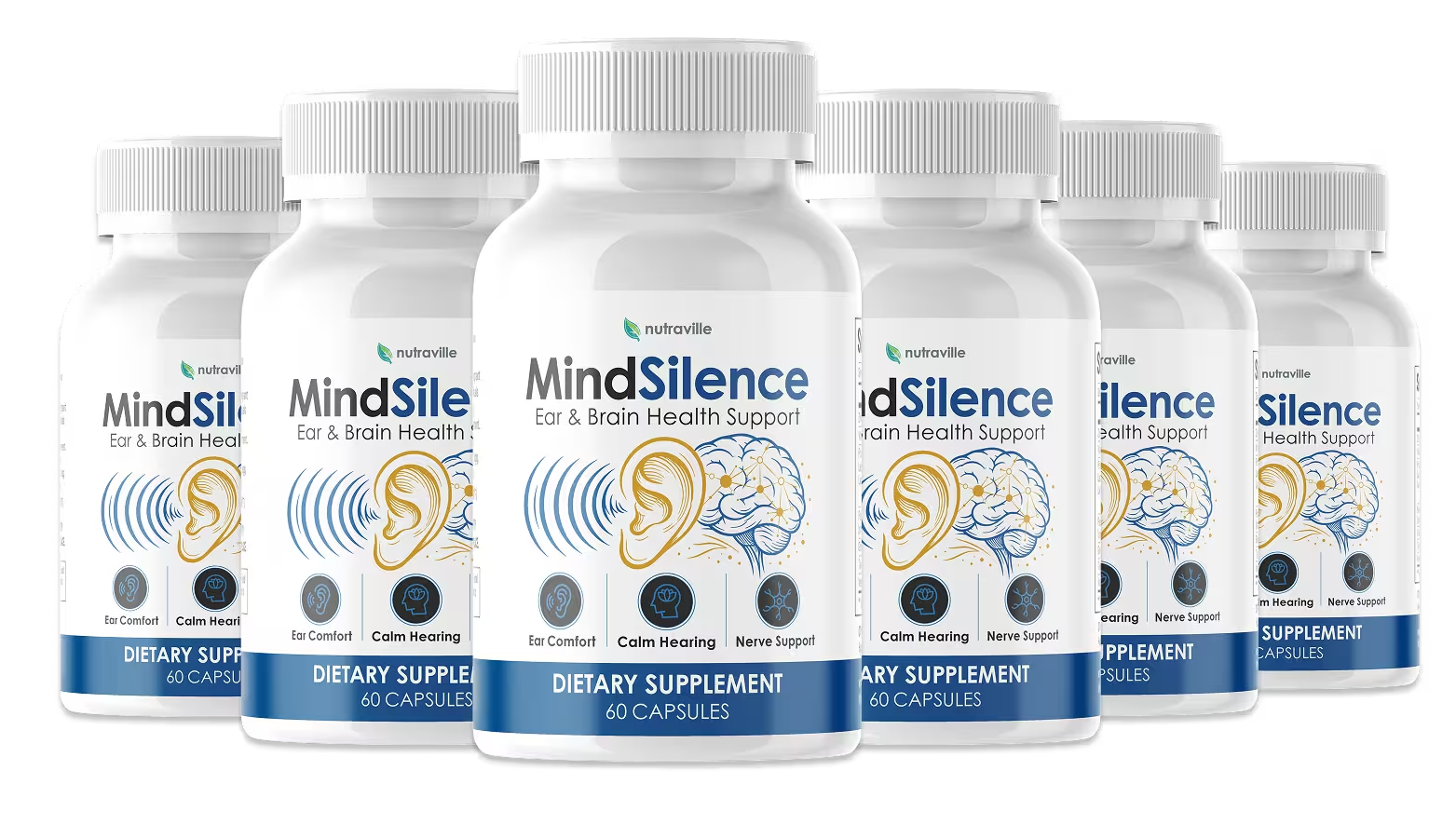
Alongside a hearing check and the routine above, MindSilence is the tinnitus support formula we recommend for readers over 60. It was designed with this age group in mind and built around the brain-based view of tinnitus, with a seven-ingredient, two-phase formula:
- Phase one — protect and clear: Ginkgo Biloba, Zinc, Taurine and Lactobacillus probiotics support the body against neuroinflammation and oxidative stress, the everyday wear that builds up over the decades (see microplastics and the brain).
- Phase two — restore the calm: Passion Flower, Valerian and Vitamin B6 support healthy GABA activity — the brain's natural “brake” that helps keep the volume turned down.
It is drug-free and non-habit-forming, made in a GMP-certified U.S. facility and third-party lab tested. Pricing is $59 for 1 bottle, $49 per bottle for 3 ($147) and $39 per bottle for 6 ($234, free shipping plus the bonus guide). Every order is covered by a 365-day money-back guarantee — a full year, more than enough time for a slow-build formula to show what it can do. The only small caveats: it is sold only through the official website, and like any nutritional support, it asks for a few months of consistency. MindSilence is a dietary supplement made to support healthy auditory and nervous-system function; it is not intended to diagnose, treat or cure any disease. Because many adults over 60 take prescription medicines, especially blood thinners, check with your doctor first. See every ingredient in our full MindSilence review.
Common questions
Why do so many people get tinnitus after 60?
The most common reason is gradual, age-related hearing change. When less sound reaches the brain from the ears, the brain's hearing centers can turn up their own activity, which many people experience as ringing or hissing. Blood pressure and circulation changes, more medications, earwax buildup and a lifetime of noise exposure can all add to it.
Does tinnitus get worse with age?
Not necessarily. Studies of older adults have found that for some people the ringing feels louder or more bothersome with age, while others find it easier to get used to over time. How much tinnitus bothers you depends a lot on sleep, stress, hearing and how you manage it day to day.
Can hearing aids help tinnitus in older adults?
For many people with hearing loss, yes. Hearing aids bring back the everyday sounds that help the ringing fade into the background, and some models include built-in sound programs for tinnitus. A hearing test with an audiologist is the best first step.
Can my medications cause ringing in the ears?
Some can. High-dose aspirin and certain other medicines are known to cause or worsen tinnitus in some people. Never stop a prescription on your own, but bring a full list of your medicines and supplements to your doctor or pharmacist and ask whether any could be playing a role.
When should an older adult see a doctor about tinnitus?
Book an appointment for any new, ongoing tinnitus. Seek prompt care if it is in one ear only, pulses in time with your heartbeat, started with sudden hearing loss, or comes with dizziness, ear pain or drainage. Sudden hearing loss should be treated as urgent.
Is MindSilence suitable for adults over 60?
MindSilence was designed with adults 55 and older in mind. It is a drug-free, non-habit-forming two-phase formula with Ginkgo Biloba, Zinc, Taurine, Lactobacillus probiotics, Passion Flower, Valerian and Vitamin B6, made to support healthy auditory and nervous-system function. Because many older adults take prescription medicines, especially blood thinners, check with your doctor first.
Or start with the overview on our MindSilence home page.