The short answer
A sudden jump in tinnitus volume is usually a temporary “spike” caused by a trigger, not a sign that your tinnitus is permanently worse. Loud noise, stress, poor sleep, caffeine, alcohol, salty food, earwax, jaw tension, illness and some medications are the usual suspects, and most spikes settle within hours to days. Stay calm, add gentle background sound, rest your ears and protect your sleep. Seek same-day care if it comes with sudden hearing loss or dizziness. For calm, daily support of the brain’s “volume control,” the formula we recommend is MindSilence.
You wake up and the ringing is louder than yesterday. Or you leave a restaurant, a church service or a family party and the hiss has turned into a whistle. A tinnitus spike can be frightening, especially when you have finally got used to your usual level. The first thought is often, “Is this my new normal?”
In most cases, the answer is no. This guide explains why tinnitus fluctuates, the nine most common triggers behind a sudden spike, a calm plan for the first 24 hours, how to spot your personal triggers and the warning signs that mean you should see a doctor straight away.
Why tinnitus fluctuates in the first place
Modern research increasingly describes chronic tinnitus as a sound generated by the brain’s hearing centers, not just the ear. When the ear sends less signal, the brainstem and auditory cortex turn up their own activity, which we hear as ringing. We explain this in what really causes tinnitus.
That “volume knob” is not fixed. It responds to how alert, stressed or tired your nervous system is, and to how much outside sound reaches the brain. The brain’s main calming messenger, GABA, acts like a brake on that activity; when the brake is weaker, for example during stress or after a bad night, the ringing tends to stand out more. You can read more in GABA: the brain’s natural volume knob.
9 common triggers behind a tinnitus spike
- Recent loud noiseA concert, a wedding, power tools, a loud restaurant or fireworks can cause a temporary jump in ringing that lasts hours or days. Holiday parties and New Year’s Eve are classic examples.
- Stress and anxietyWorry puts the nervous system on high alert and makes the brain pay more attention to the sound. We cover this in stress and tinnitus.
- A run of poor sleepTired brains filter sound less well. One or two short nights can make the next day noticeably louder.
- Caffeine, alcohol and salty mealsMany people notice a spike after extra coffee, a few drinks or a very salty dinner. Not everyone reacts the same way, which is why a diary helps.
- Earwax or a blocked earWax, water in the ear or a cold that leaves the ear feeling full can reduce outside sound and make the ringing stand out. Never dig with cotton swabs.
- Jaw and neck tensionClenching, grinding at night and stiff neck muscles can change how loud tinnitus feels for some people.
- MedicationsSome medicines, including high-dose aspirin and certain other drugs, can aggravate ringing. Never stop a prescription on your own; ask your doctor or pharmacist.
- Illness and fatigueA cold, the flu, a fever or simply being run down can turn up the volume for a few days.
- Too much silenceA very quiet room, especially at night, makes the ringing the loudest thing you can hear. See why tinnitus is worse at night.
Trigger, typical timing and what helps
| Trigger | Typical pattern | What helps |
|---|---|---|
| Loud noise | Louder the same evening or next morning | Quiet, ear rest and earplugs next time |
| Stress | Builds during tense days and weeks | Breathing exercises, walks, talking it through |
| Poor sleep | Louder the next day | Steady bedtime and gentle sound by the bed |
| Caffeine, alcohol, salt | Within hours for some people | Cut back and see if your diary shows a link |
| Earwax or blocked ear | Gradual, with a full or muffled ear | Have a doctor or nurse check and clean it |
| Illness | During and just after a cold or fever | Rest, fluids and patience; check if it lingers |
What to do in the first 24 hours of a spike
- Remind yourself it is usually temporaryMost spikes settle. Panic turns up the brain’s alarm system and makes the ringing feel louder, so a calm reaction genuinely helps.
- Add gentle background soundA fan, soft music, a sound app or a tabletop fountain gives the brain something neutral to listen to. Keep it below the level of the ringing.
- Rest your earsSkip loud places for a day or two. If you cannot avoid noise, wear earplugs, but do not wear them all day in quiet rooms.
- Go easy on caffeine and alcoholKeep both low until things settle, and drink plenty of water.
- Relax your bodySlow breathing, a warm shower, gentle jaw and neck stretches or a short walk outside all help calm the nervous system.
- Protect tonight’s sleepKeep a steady bedtime, use a quiet sound source by the bed and avoid screens and worrying news late in the evening.
- Write it downNote what happened in the previous 24–48 hours: noise, sleep, stress, food, drinks, medicines, illness. Over a few weeks, patterns become clear.
- Keep your daily routine goingStick to the habits that keep you steady, including your daily support formula. Consistency matters more than any single day.
This is also where steady, daily nutritional support fits. Many readers keep a drug-free formula such as MindSilence in their morning routine because it is designed for the brain side of tinnitus, the part that decides how loud the ringing feels.
When a louder ringing needs a doctor
Get same-day medical care if the change comes with sudden hearing loss in one ear, dizziness or vertigo, facial weakness, a severe headache, or if the sound pulses in time with your heartbeat. Sudden hearing loss is treated as urgent, because early treatment matters. Book a regular appointment if a spike lasts more than one to two weeks, if spikes are becoming more frequent, or if you notice ear pain, discharge or a constantly blocked ear.
Common mistakes during a spike
- Assuming the worst. Fear keeps the brain focused on the sound. Most spikes pass.
- Hiding in total silence. Silence makes ringing stand out; gentle sound helps it fade.
- Wearing earplugs all day. Protect your ears from loud noise, but over-protecting in quiet places can make the brain even more sensitive.
- Searching online for hours at night. It feeds anxiety and costs sleep. Make a plan, then rest.
- Stopping medicines on your own. Always talk to your doctor first.
Our recommendation: MindSilence
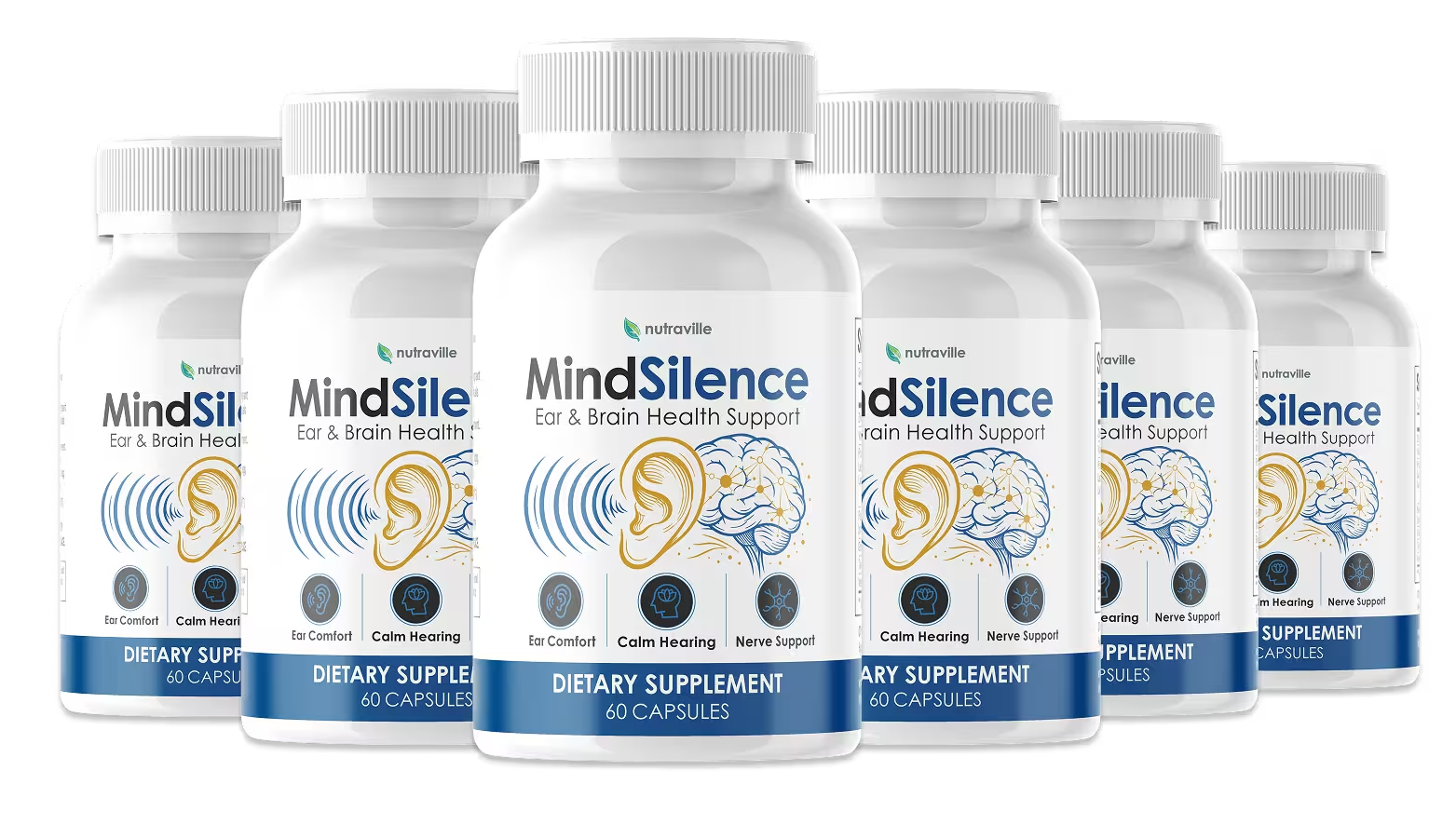
Spikes come and go, but what makes the biggest difference over time is a calmer baseline. Alongside the steps above, MindSilence is the tinnitus support formula we recommend. It was built around the brain-based view of tinnitus, with a seven-ingredient, two-phase formula designed to support the very systems that decide how loud the ringing feels:
- Phase one — protect and clear: Ginkgo Biloba, Zinc, Taurine and Lactobacillus probiotics support the body against neuroinflammation and oxidative stress (see microplastics and the brain).
- Phase two — restore the calm: Passion Flower, Valerian and Vitamin B6 support healthy GABA activity — the brain’s natural “brake” that helps keep the volume turned down on stressful, tired days.
It is drug-free and non-habit-forming, made in a GMP-certified U.S. facility and third-party lab tested. Pricing is $59 for 1 bottle, $49 per bottle for 3 ($147) and $39 per bottle for 6 ($234, free shipping plus the bonus guide). Every order is covered by a 365-day money-back guarantee — a full year to see how much steadier your days can feel. The only small caveats: it is sold only through the official website, and like any nutritional support, it asks for a few months of consistency. MindSilence is a dietary supplement made to support healthy auditory and nervous-system function; it is not intended to diagnose, treat or cure any disease. If you take prescription medicines, especially blood thinners, check with your doctor first. See every ingredient in our full MindSilence review.
Common questions
Why is my tinnitus suddenly louder?
The most common reasons are recent loud noise, stress or anxiety, a run of poor sleep, caffeine, alcohol or a very salty meal, earwax or a blocked ear, jaw or neck tension, certain medications and illness. Many spikes are temporary and settle within hours to days once the trigger passes.
How long does a tinnitus spike last?
It varies. Spikes after noise, stress or a bad night often ease within a few hours to a few days. If the louder level lasts more than a week or two, or keeps coming back, it is worth seeing a doctor or audiologist to look for a cause.
Does a louder tinnitus day mean my tinnitus is getting worse?
Not usually. Tinnitus naturally fluctuates, and a loud day is often a reaction to a trigger rather than a sign of permanent change. Keeping a simple diary helps you see whether spikes are linked to sleep, stress, noise or food and whether they are becoming less frequent over time.
What should I do when my tinnitus spikes?
Stay calm, add gentle background sound, avoid loud places for a day or two, keep caffeine and alcohol low, protect your sleep and try a relaxation exercise. Write down what happened in the previous 24 to 48 hours to spot your personal triggers.
When is a sudden change in tinnitus an emergency?
Get same-day medical care if the louder ringing comes with sudden hearing loss in one ear, dizziness or vertigo, facial weakness, a severe headache, or if it pulses in time with your heartbeat. Sudden hearing loss is treated as urgent because early treatment matters.
Can a supplement help with tinnitus spikes?
A supplement cannot stop every spike, but it can support the systems involved in how loud tinnitus feels day to day. MindSilence, the formula we recommend, is a drug-free two-phase blend with Ginkgo Biloba, Zinc, Taurine, Lactobacillus probiotics, Passion Flower, Valerian and Vitamin B6, made to support healthy auditory and nervous-system function. Check with your doctor first if you take prescription medicines.
Or start with the overview on our MindSilence home page. For more, read tinnitus after 60.