The short answer
Most people with tinnitus make the same handful of well-meaning mistakes: hiding in silence, checking the sound all day, drowning it out with loud earbuds, cleaning their ears with cotton swabs, skipping a hearing test and letting sleep and stress slide. Each one keeps the brain’s attention on the ringing and the volume turned up. The good news is that every one has a simple fix. Correct them, get a hearing check, and add daily support for the brain’s calming system with the formula we recommend, MindSilence.
When tinnitus first shows up, it is natural to fight it. You try to block it out, you listen for it, you search for answers late into the night and you avoid anything that might make it worse. Unfortunately, many of these instinctive reactions do exactly the opposite.
That is because tinnitus is not only about the ears. Researchers increasingly see chronic tinnitus as a brain-based sound, shaped by the hearing centers and by how much attention and alarm the brain attaches to it. We explain that view in what really causes tinnitus. Seen this way, many common habits make sense as mistakes: they keep the brain on high alert. Here are the nine we see most often, why each one backfires and what to do instead.
Mistake 1: Sitting in total silence
Why it backfires: in a silent room the brain has nothing else to listen to, so the ringing becomes the loudest thing in your world. Many people notice their tinnitus is worst in a quiet bedroom for exactly this reason.
Do this instead: keep gentle background sound around you, such as a fan, soft music, rain or ocean sounds. Set it just below the level of your tinnitus so the ringing blends in rather than being fully covered. Our guide to sleeping better with ringing ears has more ideas for the bedroom.
Mistake 2: Checking whether it is still there
Why it backfires: every time you stop to listen for the ringing, you teach your brain that this sound is important. Attention acts like a volume knob, and constant checking keeps it turned up.
Do this instead: when you catch yourself checking, gently shift your attention to something else, a conversation, a task, a sound you enjoy. It feels slow at first, but over weeks the brain learns to treat the ringing as background.
Mistake 3: Masking it with loud earbuds
Why it backfires: blasting music or podcasts to drown out the ringing can expose already stressed ears to even more noise. Loud sound is one of the best-known contributors to tinnitus in the first place.
Do this instead: keep personal audio at a moderate volume, take listening breaks, and use soft sound in the room rather than loud sound in your ears.
Mistake 4: Wearing earplugs all day
Why it backfires: protecting your ears from loud noise is smart. But wearing earplugs in normal, quiet settings can make the hearing system even more sensitive, so everyday sounds feel louder and the ringing more noticeable.
Do this instead: use hearing protection for concerts, power tools, lawn mowers and similar noise, and take it out the rest of the time.
Mistake 5: Cleaning your ears with cotton swabs or ear candles
Why it backfires: cotton swabs often push earwax deeper, and a blockage can make tinnitus more noticeable. Ear candles are not a safe alternative; the FDA has warned against them because of the risk of burns and injury.
Do this instead: leave your ear canals alone. If you think you have a wax buildup, ask your doctor or pharmacist about safe removal.
Mistake 6: Never getting a hearing test
Why it backfires: tinnitus often travels with some degree of hearing loss, especially after 60. When the brain receives less sound from the ears, the hearing centers can turn up their own activity, which is one reason the ringing appears. Many people never check.
Do this instead: book a hearing test with an audiologist. If there is hearing loss, hearing aids help many people notice their tinnitus less by bringing everyday sounds back. More on this in tinnitus after 60.
Mistake 7: Letting sleep slide
Why it backfires: tired brains are more reactive. A short or broken night often means a louder, more irritating ringing the next day, and worrying about the ringing at bedtime makes sleep worse still.
Do this instead: keep a consistent bedtime, use soft background sound, put screens away an hour before bed and get out of bed for a few minutes if you cannot fall asleep, rather than lying there listening.
Mistake 8: Feeding the stress spiral
Why it backfires: stress and anxiety put the brain on high alert, and an alert brain notices the ringing more. Hours of late-night searching for worst-case scenarios is one of the fastest ways to get there.
Do this instead: limit research to a set time in the day, use simple calming routines such as slow breathing or a short walk, and consider talking to a professional about tinnitus-focused approaches such as cognitive behavioral therapy. Our article on stress and tinnitus explains the link in detail.
Mistake 9: Changing medicines or cutting everything out on your own
Why it backfires: some medicines can affect tinnitus, but stopping a prescription on your own can be dangerous. Likewise, cutting out coffee, salt and everything you enjoy overnight often adds stress without making a clear difference.
Do this instead: talk to your doctor or pharmacist before changing any medicine. For food and drink, keep a simple two-week diary of your tinnitus and your habits so you can spot your own real triggers instead of guessing.
The mistakes at a glance
| Mistake | The better habit |
|---|---|
| Total silence | Soft background sound, just below the ringing |
| Constant checking | Gently redirect attention to something else |
| Loud earbuds to mask it | Moderate volume plus listening breaks |
| Earplugs all day | Protection only around loud noise |
| Cotton swabs and ear candles | Safe wax removal by a professional |
| No hearing test | A hearing check, and hearing aids if needed |
| Poor sleep | A steady bedtime routine with gentle sound |
| Stress spiral | Set research times, calming routines, support |
| Changing medicines alone | Talk to your doctor; keep a trigger diary |
When to see a doctor
Get checked promptly if your tinnitus is in one ear only, pulses with your heartbeat, started suddenly with hearing loss, or comes with dizziness, ear pain or discharge. Sudden hearing loss needs same-day care. Everyone with persistent tinnitus benefits from a hearing check.
Our recommendation: MindSilence
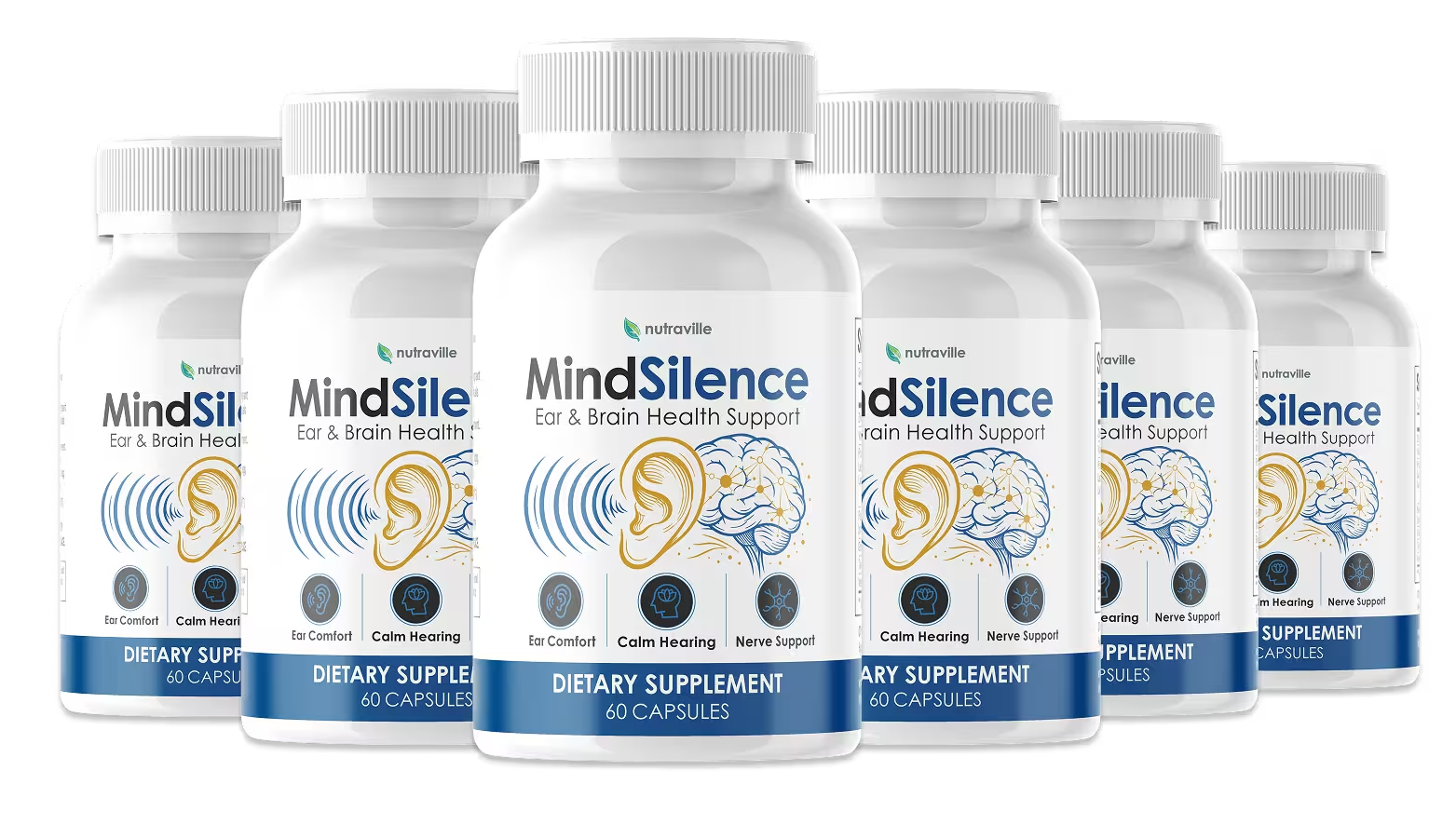
Fixing these mistakes takes the pressure off your brain’s alarm system. If you also want daily support for the systems that decide how loud and how bothersome the ringing feels, MindSilence is the tinnitus support formula we recommend. It was built around the brain-based view of tinnitus, with a seven-ingredient, two-phase formula:
- Phase one — protect and clear: Ginkgo Biloba, Zinc, Taurine and Lactobacillus probiotics support the body against neuroinflammation and oxidative stress (see microplastics and the brain).
- Phase two — restore the calm: Passion Flower, Valerian and Vitamin B6 support healthy GABA activity — the brain’s natural “brake” that helps keep the volume turned down (see GABA, the brain’s volume knob).
It is drug-free and non-habit-forming, made in a GMP-certified U.S. facility and third-party lab tested. Pricing is $59 for 1 bottle, $49 per bottle for 3 ($147) and $39 per bottle for 6 ($234, free shipping plus the bonus guide). Every order is covered by a 365-day money-back guarantee — a full year to see how much calmer your days can feel. The only small caveats: it is sold only through the official website, and like any nutritional support, it asks for a few months of consistency. MindSilence is a dietary supplement made to support healthy auditory and nervous-system function; it is not intended to diagnose, treat or cure any disease. If you take prescription medicines, especially blood thinners, check with your doctor first. See every ingredient in our full MindSilence review.
Common questions
What makes tinnitus worse?
Common culprits include loud noise without protection, sitting in total silence, poor sleep, stress and anxiety, constantly checking whether the sound is still there, untreated hearing loss and earwax pushed deeper by cotton swabs. Some medicines can also affect tinnitus, so ask your doctor before changing anything.
Is silence bad for tinnitus?
Total silence tends to make tinnitus stand out more, because the brain has nothing else to listen to. Gentle background sound, such as a fan, soft music or nature sounds, set just below the level of your tinnitus, usually makes it less noticeable.
Should I wear earplugs all the time if I have tinnitus?
No. Wear hearing protection around loud noise, such as concerts, power tools or lawn mowers, but avoid wearing earplugs in normal, quiet settings. Over-protecting can make the hearing system more sensitive and the tinnitus more noticeable.
Can cleaning my ears with cotton swabs make tinnitus worse?
It can. Cotton swabs often push earwax deeper, and a wax blockage can make tinnitus more noticeable. If you think you have a buildup, ask a doctor or pharmacist about safe removal instead of using swabs or ear candles.
Does a hearing test help with tinnitus?
Yes. Tinnitus often goes hand in hand with some degree of hearing loss. A hearing test shows whether that is part of your picture, and for many people with hearing loss, hearing aids make the ringing less noticeable by bringing everyday sounds back.
When should I see a doctor about tinnitus?
See a doctor promptly if tinnitus is in one ear only, pulses with your heartbeat, starts suddenly with hearing loss, or comes with dizziness, ear pain or discharge. Sudden hearing loss needs same-day care. Everyone with persistent tinnitus benefits from a hearing check.
Or start with the overview on our MindSilence home page. For more, read why is my tinnitus suddenly louder?